
Regular Care Helps Stop Clogs Before They Turn Into Major Pipe Problems
drain cleaning can help prevent plumbing emergencies by removing buildup before it blocks water flow, causes pressure in pipes, or leads to backups. A slow drain may seem small at first, but grease, soap, hair, and debris can keep building until water has nowhere to go. In homes and businesses across Arlington, WA, that can lead to overflow, bad smells, water damage, and surprise repair visits.
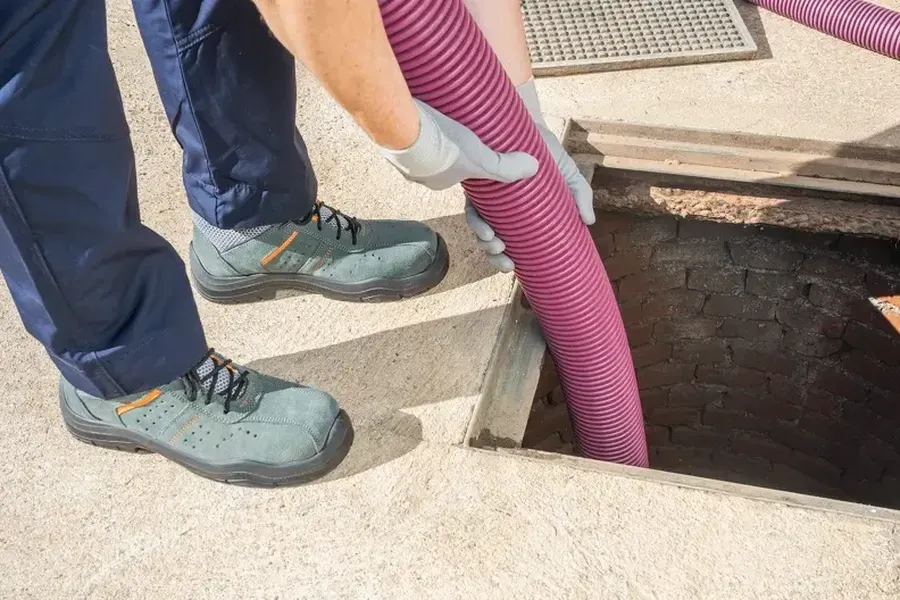
Why Prevention Matters
Most plumbing emergencies do not start all at once. They build over time. A kitchen sink may begin to drain a little slower. A tub may hold water for a few extra minutes. A floor drain may start to smell bad. These are often early signs of blockage inside the line. When that blockage grows, water can back up into the sink, tub, shower, or even onto the floor.
Routine drain cleaning helps keep pipes open and moving as they should. It can also lower wear on the rest of the plumbing system. When water flows freely, there is less stress on joints, traps, and connected lines. That simple maintenance step can help stop a messy problem before it affects walls, floors, or cabinets.
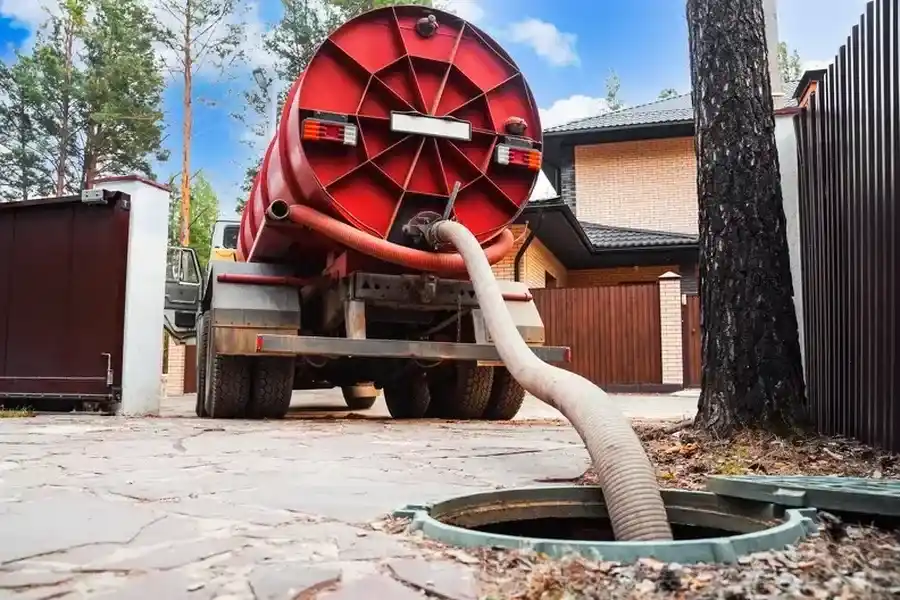
Early Warning Signs
Many people wait until a drain stops working fully. That can be a mistake. Small warning signs often show up first, and they are easier to deal with early.
- Water drains slower than usual
- Gurgling sounds come from sinks or tubs
- Bad odors rise from the drain opening
- Water backs up in one fixture when another is used
- The toilet bubbles when a sink or washer drains
- You have clogs that keep coming back
If you notice one or more of these signs, the line may already have buildup inside it. Fast action can help stop a bigger problem later.
Seasonal or Routine Checklist
A simple routine can help lower the chance of emergency calls. This does not have to be hard. Small habits done often can make a big difference.
- Check sinks, tubs, and showers for slow draining water.
- Clean visible stoppers and remove hair or debris.
- Run hot water after heavy sink use, if safe for the pipe.
- Watch for food scraps, grease, and coffee grounds in kitchen drains.
- Use drain screens to catch hair and larger debris.
- Pay attention to smells, bubbling, or repeat clogs.
- Set a schedule for professional drain cleaning if buildup happens often.
This kind of maintenance works well in homes, rentals, restaurants, offices, and other service category properties where drains get daily use. Busy plumbing systems need regular care to stay reliable.
Best Practices for Long-Term Results
Good drain habits can help your plumbing last longer. In the kitchen, avoid pouring grease or oil down the sink. Even when it goes down warm, it can cool inside the pipe and stick to the walls. Over time, that sticky layer grabs food bits and forms a clog.
In bathrooms, hair and soap scum are common troublemakers. A small hair catcher in the shower can help a lot. In laundry areas, lint can add to drain problems too. If your washer line handles heavy use, it may need extra checks from time to time.
Another smart step is dealing with small problems early. If a sink is slow this week, do not wait months to act. A minor clog is easier to clear than a packed line that causes overflow. Preventive drain cleaning helps remove buildup while water can still move.
What Not to Do
Some drain habits can make a bad situation worse. Many store products promise a fast fix, but they are not always the best choice. Harsh chemical cleaners can sit in the pipe, create heat, and wear down some materials. If the clog stays in place, the chemical may stay trapped too.
You should also avoid forcing the wrong tools into a drain. A wire hanger or sharp object can scratch, puncture, or push a clog deeper. That may turn a simple issue into a harder repair. It is also not a good idea to ignore repeat backups. If the same drain keeps clogging, the issue may be farther down the line.
- Do not pour grease into sink drains
- Do not flush wipes, paper towels, or hygiene products
- Do not overuse chemical drain products
- Do not ignore bad smells or bubbling sounds
- Do not keep plunging if backups spread to other fixtures
When to Schedule Professional Help
Home care can help with basic upkeep, but some signs point to a bigger problem. If more than one drain is slow, the issue may be in the main line. If water backs up into the tub when the toilet flushes, that is another clear warning sign. Standing water, sewage smells, and frequent clogs often mean a deeper blockage that needs proper tools and inspection.
Professional drain cleaning can help clear lines more fully and find hidden trouble before it turns into an emergency. This may include heavy buildup, roots in outside lines, packed grease, or objects stuck in the pipe. A trained plumber can also spot damage that may not be visible from the drain opening.
Getting help early can save time, stress, and cleanup. It can also help protect floors, walls, and personal items from water damage caused by an overflow or backup.
Get Help Before a Small Clog Becomes a Major Mess
If drains in your home or building are slowing down, we can help you take care of the problem before it gets worse. Homeowners across Arlington, WA often call after noticing the first signs of backup. At Arlington's Sewer and Septic, we offer practical help for drain cleaning and other plumbing problems. Call us at (360) 369-2456 to schedule service or ask what step makes sense for your situation.