
Finding Small Water Problems Early Helps Pipes Last Longer
Leak detection can help your plumbing last longer by finding small problems before they turn into big ones. A tiny drip can slowly damage pipes, joints, walls, and floors. Over time, that stress can lead to corrosion, mold, water waste, and pipe failure. When leaks are found early, repairs are often smaller, simpler, and less likely to lead to major plumbing damage in a home or building in Arlington, WA.
Why Prevention Matters
Your plumbing system works every day. Water moves through pipes, fittings, valves, and drains. If one small part starts leaking, the whole system can feel the strain. A hidden leak may keep pressure uneven or let moisture sit where it should not. That can wear down pipe materials faster. Leak detection helps spot these issues before they shorten the life of the system.
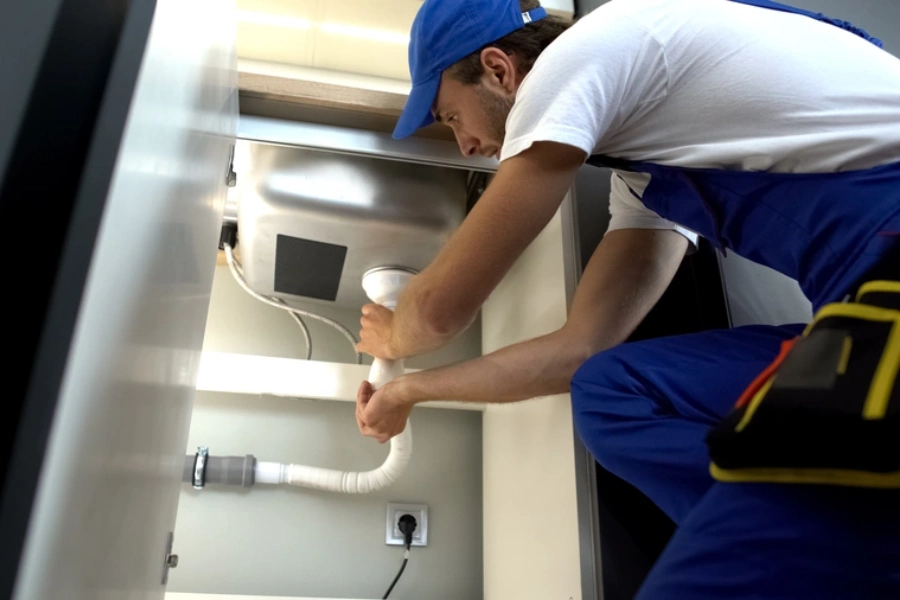
Many leaks start small. A pinhole in a pipe, a loose fitting under a sink, or a worn seal near a water heater may not seem like much at first. Still, water can slowly eat away at metal, weaken joints, and stain nearby surfaces. In some cases, it can even affect parts of the home that seem far from the plumbing itself.
Early Warning Signs
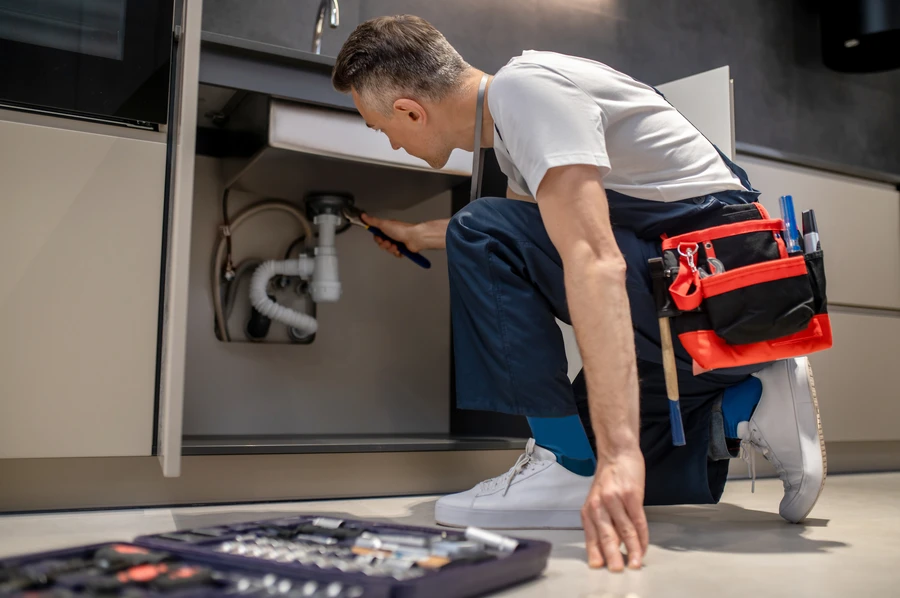
Leaks are not always easy to see. Some happen behind walls, under floors, or in crawl spaces. That is why it helps to watch for clues. The sooner a problem is found, the better chance you have of avoiding major pipe wear.
- Water bills that go up without a clear reason
- Musty smells in a room or hallway
- Low water pressure at sinks or showers
- Wet spots on walls, floors, or ceilings
- Sounds of running water when no fixture is on
- Rust, stains, or warped wood near plumbing lines
These signs do not always mean severe damage, but they should not be ignored. Fast action can help keep a small leak from turning into a broken pipe or large repair.
Seasonal or Routine Checklist
Routine checks can help protect plumbing year-round. Homes face changing temperatures, shifting soil, and daily wear. A simple inspection plan can catch trouble early and support better system life.
- Check under sinks for damp spots or stains once a month.
- Look around toilets for soft flooring or water marks.
- Inspect exposed pipes for rust, white buildup, or drips.
- Watch the water meter when no water is being used.
- Pay attention to sudden changes in water pressure.
- Check walls and ceilings after heavy rain or cold weather.
- Have older pipes looked at if the home has frequent leak history.
Even basic checks can help a lot. If a property has an aging plumbing system or a past leak problem, routine leak detection becomes even more helpful. This is true for many types of service work, even if the service category keyword is not listed here.
Best Practices for Long-Term Results
Good habits can make plumbing last longer. Leak detection works best when paired with regular care. If a leak is found, fixing the cause matters just as much as stopping the water. For example, a pipe may leak because of corrosion, high pressure, poor installation, or movement in the wall. If the root issue stays in place, another leak may happen later.
It also helps to keep water pressure at a safe level. Pressure that is too high can strain pipes, valves, and appliance lines. Drains should be kept clear without harsh chemicals. Pipe connections should be checked now and then, especially in older homes. These simple actions can reduce wear and help the full system stay in better shape over time.
Another smart step is keeping records of past plumbing repairs. If the same area keeps leaking, that pattern can point to a deeper issue. Repeated leaks often mean one weak section is failing again and again. Finding that pattern early may save much larger repairs later.
What Not to Do
Some choices can make plumbing problems worse. A common mistake is waiting too long because the leak seems minor. Small leaks rarely stay small forever. Another mistake is covering water stains with paint without finding where the moisture came from. That hides the warning sign but does not solve the problem.
It is also a bad idea to over-tighten fittings or patch pipes with the wrong materials. Quick fixes may stop a drip for a short time, but they can add stress to the pipe or hide a more serious issue. Ignoring strange sounds, damp smells, or small pressure changes can also lead to bigger trouble later.
When to Schedule Professional Help
Some plumbing issues are easy to spot, but hidden leaks often need trained help. A professional can use tools and testing methods to find moisture behind walls, under slabs, or in areas that are hard to reach. This can prevent guesswork and reduce damage caused by opening the wrong area.
You may want professional leak detection if you notice repeat leaks, rising water bills, unexplained moisture, or signs of pipe age. It can also help before damage gets worse in older properties. Early inspection is often the best move when the source is unclear. The goal is not only to stop one leak, but also to help the plumbing system stay sound for as long as possible.
Get Help Before Small Leaks Grow
We help property owners in Arlington, WA find hidden plumbing problems before they cause more damage. At Arlington's Sewer and Septic, we focus on clear answers and practical next steps. If you have seen signs of a leak or just want peace of mind, call us at (360) 369-2456 and let us help protect your plumbing for the long run.