
Stop Hidden Pipe Problems Before They Ruin Walls, Floors, and Foundations
how sewer repair prevents property damage is simple: it stops leaks, backups, and ground erosion before they spread through your home or yard. A damaged sewer line can send dirty water into floors, walls, and crawl spaces. It can also soften soil around the foundation and cause cracks or sinking. Fast action helps limit damage, cuts cleanup needs, and keeps small pipe problems from turning into major repairs in Arlington, WA.
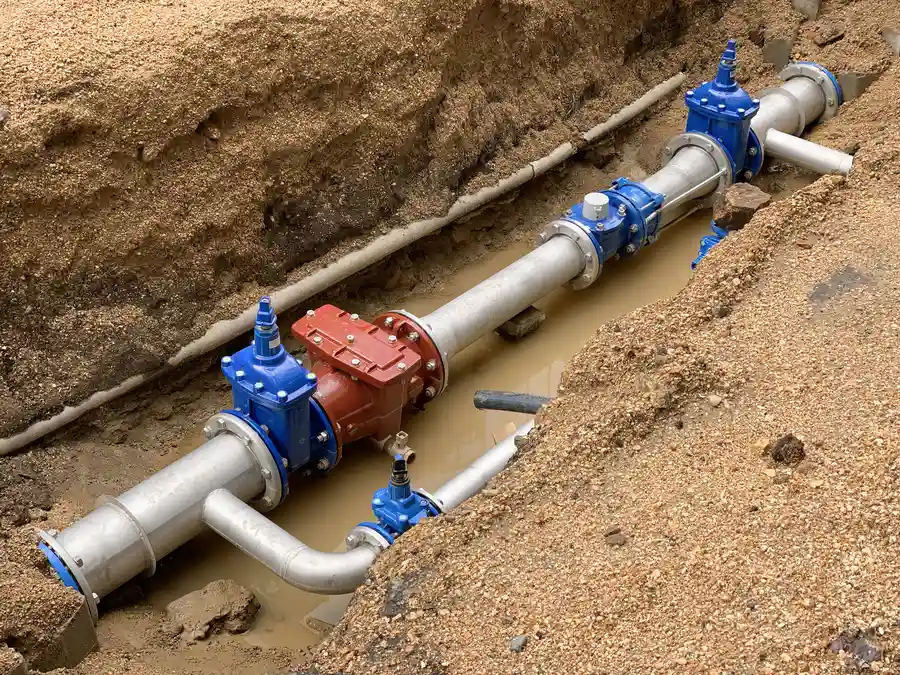
Why Prevention Matters
A sewer line carries wastewater away from your home. When that line cracks, shifts, or clogs, water does not move the right way. Pressure builds. Waste can back up into sinks, tubs, or toilets. Underground leaks can also stay hidden for a long time. By the time a homeowner sees the problem, the damage may already be inside walls, under slabs, or around the yard.
This is why sewer repair matters so much. A timely fix can stop moisture from soaking wood, drywall, and insulation. It can also help prevent mold growth and bad smells. In many cases, fixing the sewer line early costs far less than repairing floors, replacing cabinets, or cleaning up sewage after a backup.
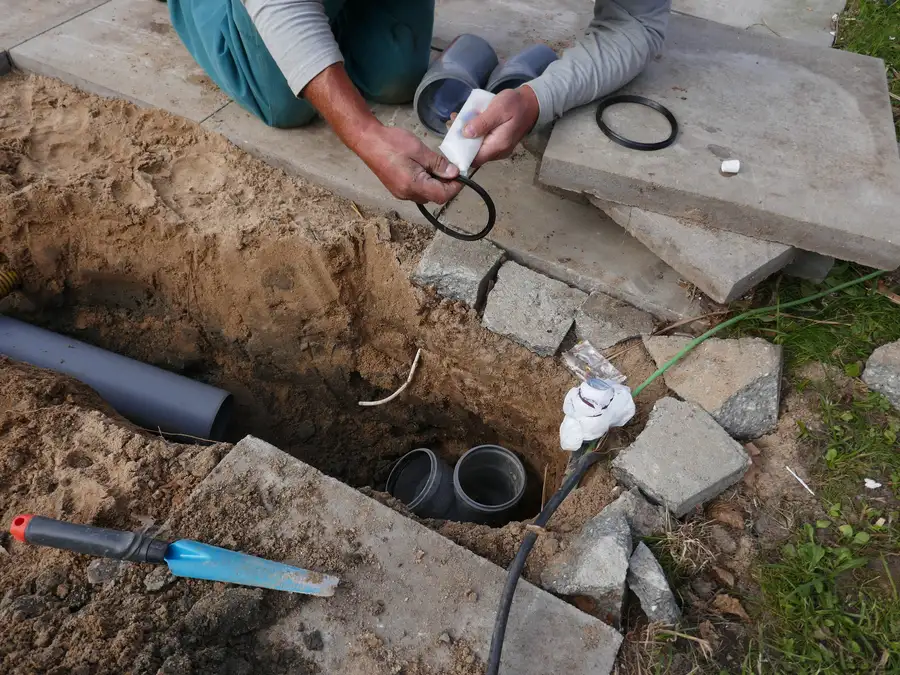
Early Warning Signs
Small signs often show up before major property damage starts. The key is to act before the problem spreads. If more than one drain is slow, or if toilets bubble when water runs, the issue may be deeper in the line. Wet spots in the yard can also point to a leak underground.
- Frequent drain clogs in more than one room
- Bad smells near drains or outside
- Gurgling sounds from toilets or sinks
- Water backing up into tubs or showers
- Soft or soggy patches in the lawn
- Cracks in pavement or shifting soil
- A sudden rise in water use or cleanup needs
These signs may seem small at first. Still, they can point to a larger sewer issue that puts the home at risk.
Seasonal or Routine Checklist
Property damage often starts when minor sewer issues go unchecked. A simple routine can help spot trouble early. Homeowners do not need to inspect pipes every week, but regular checks can make a big difference.
- Watch for slow drains in kitchens and bathrooms.
- Check the yard for wet spots or bad odors.
- Pay attention to bubbling toilets or strange drain sounds.
- Notice any sewage smell in basements or crawl spaces.
- Look for new wall cracks or floor changes near plumbing areas.
- Schedule a camera inspection if problems keep coming back.
This kind of routine works well before heavy rain, after large storms, or when buying an older home. It can also help when trees near the sewer route have large roots that may push into pipe joints.
Best Practices for Long-Term Results
Good habits help sewer lines last longer and reduce the chance of water damage. One of the best steps is to keep the line clear of grease, wipes, paper towels, and other items that should never go down a drain. Even products marked flushable can build up and create blockages.
It also helps to know the age and material of the sewer line. Older clay or cast iron pipes may crack or corrode over time. In some homes, shifting soil or root growth can make the problem worse. Regular inspections, smart drain use, and fast repairs all support long-term pipe health.
If the service category keyword applies to your property needs, ask about related drain and pipe work during an inspection. A full review can reveal weak spots before they turn into a leak or backup.
What Not to Do
Some actions can make sewer problems worse. Many people keep using drains after a backup starts, hoping it will clear on its own. That often leads to more overflow inside the home. Others pour harsh chemical cleaners into the plumbing. Those products may damage pipes and still fail to remove a deep blockage.
Avoid digging in the yard without knowing where the sewer line runs. Avoid waiting for stains, odors, or soft floors to get worse. And do not assume one clogged fixture means the problem is small. A single symptom can be the first sign of a larger line failure.
When to Schedule Professional Help
Some sewer issues need expert tools and training. If wastewater backs up into the home, if the same clog keeps coming back, or if the yard stays wet with no clear cause, it is time for professional help. A licensed team can inspect the line, find the break or blockage, and explain the safest fix.
Professional sewer repair may involve clearing roots, sealing leaks, replacing broken pipe sections, or restoring flow with trenchless methods. The right fix depends on the pipe material, the damage location, and how long the problem has been active. Acting early helps protect floors, walls, foundations, and landscaping from wider damage.
Get Help Before a Small Pipe Issue Spreads
When sewer problems start, fast action can help protect your property in Arlington, WA. At Arlington's Sewer and Septic, we can inspect the line, explain the problem clearly, and help you choose the next step. Call us at (360) 369-2456 if you want help with sewer repair before hidden damage gets worse.