
Small Problems Often Show up Before a Full Backup
Early septic system warning signs are usually slow drains, bad smells, wet spots in the yard, gurgling pipes, or sewage backing up inside the home. If you spot these signs early, you may be able to stop bigger damage, messy cleanup, and stress. Homeowners in Arlington, WA should pay attention when more than one drain acts up at the same time, since that can point to a septic issue instead of a simple clog.
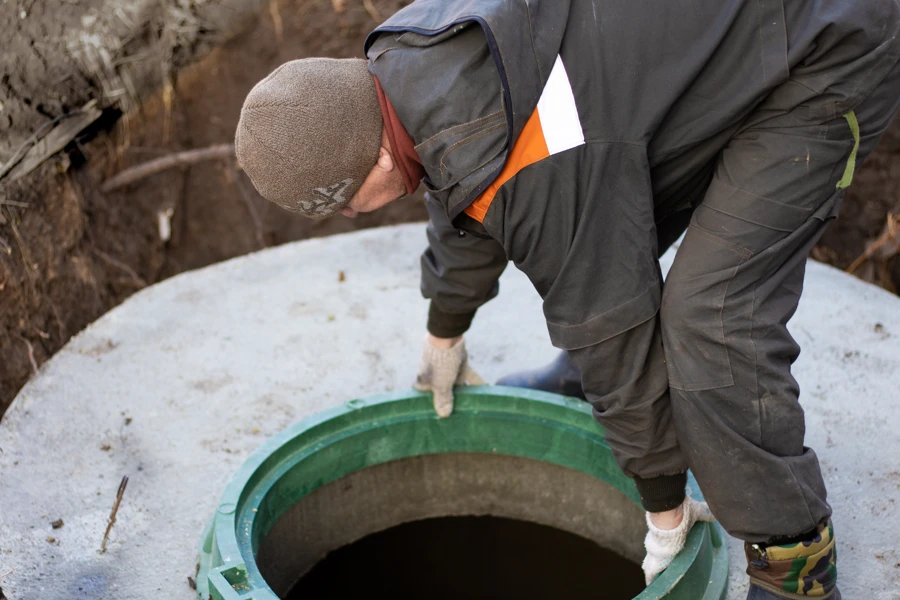
Why Prevention Matters
A septic system works quietly most of the time. That is why small warning signs are easy to miss. But ignoring them can lead to a full system failure. That can mean sewage in sinks, tubs, or toilets. It can also mean soggy ground near the tank or drain field. Regular septic tank maintenance helps catch trouble early and keeps the system working longer. Good care also helps protect your yard and nearby groundwater. Even basic service category checks during home care can help you notice changes before they grow.
Early Warning Signs
The first signs are often mild. A toilet may flush slower than usual. A shower may drain a little slower each week. You might hear bubbling sounds after running water. A bad smell may come and go near the tank or in the yard. Some people notice greener grass over one part of the lawn. That can happen when extra wastewater rises too close to the surface.
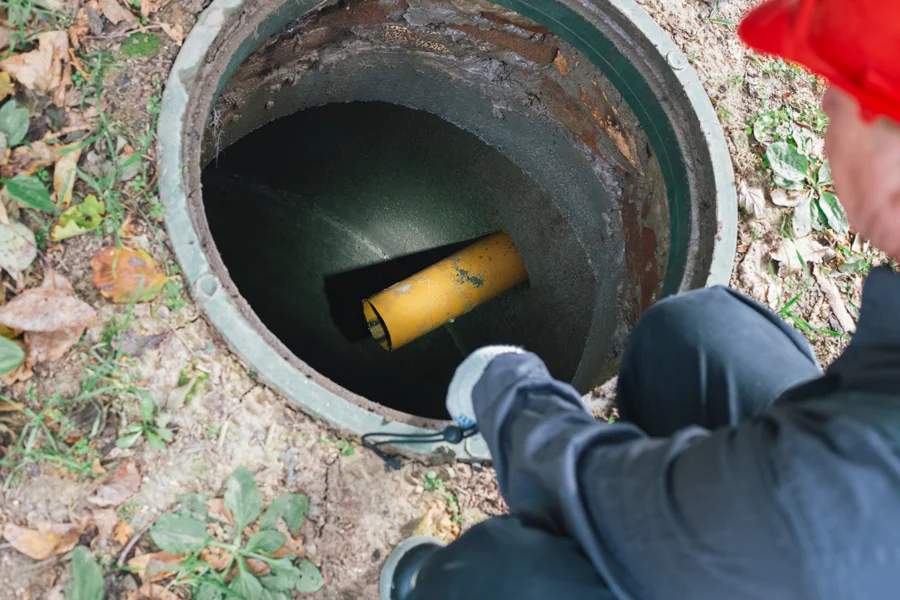
Watch for signs inside and outside your home. Indoor issues can point to a blocked line or a tank that is too full. Outdoor issues can point to drain field trouble. When several signs happen at once, the system may need help soon.
- Slow drains in more than one room
- Gurgling noises in pipes or toilets
- Sewage smells inside or outside
- Standing water near the tank or drain field
- Bright, extra-green grass over one area
- Backups in tubs, showers, or floor drains
Seasonal or Routine Checklist
It helps to check your property and plumbing during the year. Rainy weather can make some signs easier to spot. Heavy water use during holidays or family visits can also stress the system. A simple routine can help you catch changes fast.
- Walk your yard after rain and look for wet or sunken spots.
- Notice if drains slow down in more than one fixture.
- Pay attention to smells near the tank lid or drain field.
- Listen for gurgling after flushing toilets or running sinks.
- Track past pumping dates and service visits.
- Watch water use during laundry-heavy or guest-heavy weeks.
If your home has a garbage disposal, a large family, or older plumbing, check more often. Homes with long dry spells followed by heavy rain may also show signs more clearly. Septic tank maintenance is easier when you keep notes and act on small changes right away.
Best Practices for Long-Term Results
Good habits make a big difference. Spread out laundry loads during the week instead of doing many in one day. Fix leaking toilets and faucets fast. Too much water entering the tank can stir up solids and send waste where it should not go. That can shorten the life of the drain field.
Use your drains with care. Only flush toilet paper and human waste. Keep grease, wipes, paper towels, cat litter, and harsh chemicals out of the system. Many items marked “flushable” do not break down well. They can clog pipes or add strain to the tank.
It also helps to know where your septic tank and drain field are located. Do not drive or park over them. Heavy weight can damage pipes and crush parts underground. Planting trees too close can cause root problems over time. Regular septic tank maintenance, paired with smart water use, helps lower the chance of surprise repairs.
What Not to Do
Some mistakes can turn a small issue into a big one. Do not keep using lots of water if drains are already slow and the yard smells bad. Do not pour drain cleaners into every sink and hope the problem goes away. Strong chemicals can hurt the system and may not fix the real cause. Do not cover wet spots with soil and ignore them. The water usually comes back.
Another common mistake is waiting until sewage backs up indoors. By that point, cleanup is harder and the repair may cost more. If you are seeing repeated warning signs, acting early is the safer choice.
When to Schedule Professional Help
You should schedule help when warning signs keep coming back, when more than one drain is slow, or when you notice wet ground near the drain field. You should also call if it has been years since the last pumping and you are not sure of the system’s condition. A trained septic pro can inspect the tank, check sludge levels, and look for line or drain field issues.
Fast help matters if sewage backs up into the house or if standing water appears near the system. Those signs can point to a full tank, blocked pipe, damaged baffle, or failing drain field. Septic tank maintenance visits can also help find wear before it turns into an emergency. If you are buying an older home, a septic check is also a smart step.
Get Help Before a Small Septic Issue Gets Worse
When warning signs start showing up, we can help you figure out what is going on and what step makes sense next. Homeowners across Arlington, WA can call (360) 369-2456 to set up a visit. At Arlington's Sewer and Septic, we handle septic tank maintenance and related service needs with care, and we are glad to help before a minor problem turns into a major mess.