
How Plumbers Help Septic Systems Run Better and Last Longer
Plumbers help septic systems work better by finding flow problems, fixing leaks, checking drains, and making sure wastewater moves the right way. When parts of a home’s plumbing system are not working as they should, the septic tank has to work harder. That can lead to backups, slow drains, bad smells, and early wear. In many homes, good septic tank maintenance starts inside the house with smart plumbing care.
Why Prevention Matters
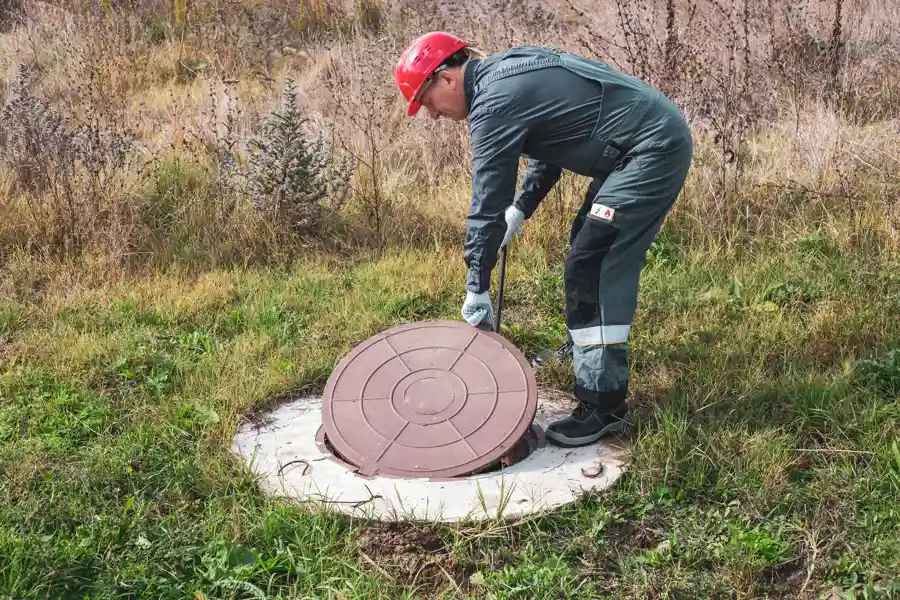
A septic system handles everything that goes down sinks, tubs, showers, and toilets. If the plumbing system sends too much water too fast, or if waste does not flow well, the tank and drain field can struggle. That is why plumbers play a big part in septic tank maintenance. They help stop extra stress on the system before it turns into a bigger problem.
For example, a running toilet can send many gallons of water into a septic tank every day. A dripping faucet may seem small, but several leaks together can add a lot of extra water over time. Clogged drains can also slow the flow and cause waste to sit where it should not. Small plumbing issues inside the home can lead to septic trouble outside the home.
Early Warning Signs
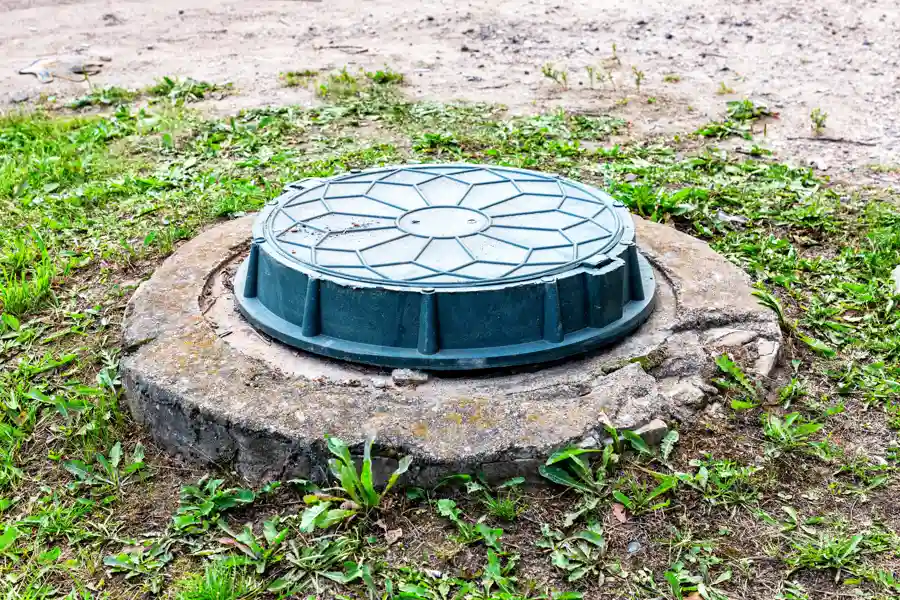
Many homeowners do not link indoor plumbing issues with septic performance right away. Still, there are signs that point to trouble. Catching them early helps protect the tank and the drain field.
- Drains that empty slowly
- Gurgling sounds in pipes
- Toilets that flush poorly
- Wet spots near the drain field
- Bad smells near drains or outside
- Water backing up into tubs or sinks
- Very green grass over part of the yard
If more than one of these signs shows up at the same time, the septic system may be under stress. A plumber can inspect the home’s pipes and fixtures to see if poor water flow, hidden leaks, or blockages are part of the issue.
Seasonal or Routine Checklist
Routine care is one of the best ways to support septic tank maintenance. A plumber can help with regular checks that keep wastewater moving the right way. This is helpful in all seasons, since heavy water use, storms, and ground conditions can all affect system performance.
- Check for leaking toilets and faucets.
- Test sinks, tubs, and showers for slow drainage.
- Inspect visible pipes for drips or corrosion.
- Watch for signs of sewer odors inside the home.
- Spread out laundry loads during the week.
- Keep grease, wipes, and solids out of drains.
- Schedule septic pumping based on tank size and home use.
- Have plumbing and septic parts checked if backups happen.
This kind of routine does not take much time, but it can help a system last longer. It can also lower the chance of messy and expensive repairs later.
Best Practices for Long-Term Results
Good habits inside the house support the whole septic setup. Plumbers help by improving how water and waste leave the home. They may repair broken drain lines, replace old fixtures, clear blockages, or spot problems in connected systems. Even general service category work can matter when it affects water use and drainage.
One smart practice is controlling water use. When a home sends too much water to the septic tank in a short time, solids may not settle the right way. That lowers the tank’s ability to separate waste. A plumber may suggest low-flow fixtures, toilet repairs, or pipe fixes to cut waste and lower strain on the tank.
Another good step is keeping drains clean the safe way. Harsh chemicals can hurt the helpful bacteria inside a septic tank. Those bacteria break down waste. If they are harmed, the tank may not process waste as well. A plumber can suggest safer drain care methods and remove clogs without harming the system.
Plumbers also help by spotting pipe damage. Cracked or sagging lines can trap waste and lead to repeat clogs. That poor flow can affect septic tank maintenance by causing backups or sending the wrong amount of waste into the tank at the wrong time.
What Not to Do
Some common habits can hurt septic performance, even if they seem harmless at first. Avoiding these mistakes can protect both the plumbing and septic parts of the property.
- Do not flush wipes, paper towels, or hygiene products.
- Do not pour grease or oil down kitchen drains.
- Do not ignore slow drains or small leaks.
- Do not use too much water all at once.
- Do not use drain cleaners again and again.
- Do not park heavy vehicles over septic areas.
- Do not wait for a full backup before calling for help.
Waiting too long is one of the biggest mistakes homeowners make. A small plumbing issue can turn into a septic issue fast when wastewater has nowhere to go.
When to Schedule Professional Help
Some tasks are safe for homeowners, like watching water use or checking for a running toilet. But many septic-related issues need trained help. If drains back up often, if the yard smells like sewage, or if several fixtures act up at once, it is time to call a plumber. A plumber can tell if the issue starts in the home’s pipes, the line to the tank, or the septic system itself.
Professional help is also a good idea before problems start. Regular inspections support septic tank maintenance and can catch hidden leaks, worn pipes, or drainage issues early. That kind of care can help the full system run better and last longer.
Get Help Before Small Issues Grow
If you are seeing signs of septic trouble in Arlington, WA, we can help check the plumbing and find the cause. At Arlington's Sewer and Septic, we focus on practical repairs and smart septic tank maintenance that helps systems work better over time. Call us at (360) 369-2456 to schedule a visit or ask questions about your home’s plumbing and septic performance.